
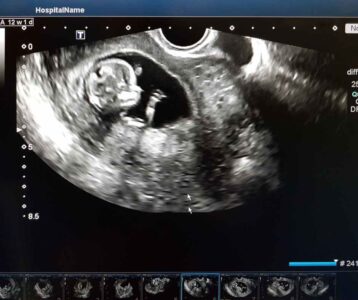
What Is the First Trimester?
The first trimester is the earliest phase of pregnancy, from week 1 to the end of week 12. In this time, your baby’s organs begin to form and your hormones change rapidly. That hormonal rollercoaster is exactly why the first trimester can feel intense—physically and emotionally. Mayo Clinic
Many people search: “first trimester symptoms what is normal?” The short answer: a lot of weird feelings can be normal—but there are clear warning signs that mean you should seek help.
Common Symptoms That Are Usually Normal
Everyone’s pregnancy is different. Some feel everything, some feel almost nothing. Both can be normal.
1. Missed period and positive pregnancy test
A missed period plus a positive pregnancy test is usually the first sign. Tender breasts, mild cramps, and feeling “different” often follow soon after. Johns Hopkins Medicine
2. Nausea and vomiting (“morning sickness”)
- Nausea with or without vomiting, at any time of day
- Often starts around weeks 4–6 and can last into the second trimester HSE.ie+1
As long as you can keep some food and fluids down, this is usually normal. If vomiting is so severe you can’t drink or you’re losing weight, that’s not normal (we’ll return to this under warning signs).
3. Breast tenderness and changes
Hormones make your breasts:
- Feel fuller, heavier, or sore
- Show more visible veins
- Darken around the nipples (areola) Johns Hopkins Medicine
This is normal preparation for breastfeeding later on.
4. Fatigue and sleep changes
Your body is building an entire human—feeling exhausted is very common. You may: HSE.ie+1
- Need more naps
- Sleep more than usual
- Feel out of energy by midday
Short rest breaks, hydration, and light movement can help.
5. Frequent urination
In early pregnancy:
- Hormones and increased blood flow to the kidneys make you pee more often HSE.ie+1
This is usually normal if there is no burning or pain. Painful urination or blood in your urine is a warning sign (see below).
6. Mild cramping and light spotting
Light, period-like cramps can be normal as the uterus grows. Some women also notice very light spotting, especially around the time their period would have come. Cleveland Clinic+1
What’s usually okay:
- Mild cramps that come and go
- Very light spotting (a few drops or streaks)
- No severe pain
7. Emotional ups and downs
Hormones can make your mood jump around:
- Crying more easily
- Feeling anxious one day and excited the next
- Feeling irritable or sensitive Johns Hopkins Medicine+1
Mild mood changes are common, but strong or persistent sadness or anxiety are a reason to speak to your doctor.
8. Digestive changes
First trimester can bring:
- Bloating and gas
- Constipation
- Food aversions or strange cravings Better Health Channel+1
These are usually normal, as long as you’re still passing stool and keeping food and water down.
First Trimester Symptoms: What’s Normal and What’s Not?
A helpful mental rule:
- Uncomfortable but tolerable and slowly improving → often normal.
- Sudden, severe, or getting worse quickly → get checked.
Below are warning signs where you should contact your doctor, midwife, or emergency services.
Warning Signs in the First Trimester – When to Seek Help
1. Heavy bleeding or strong pain
Get urgent help if you have: Healthdirect+2Wikipedia+2
- Heavy vaginal bleeding (soaking a pad in an hour or passing large clots)
- Bleeding plus strong cramps or back pain
- Sudden, sharp pain on one side of your lower abdomen
- Shoulder-tip pain with dizziness or fainting
These can be signs of:
- Miscarriage
- Ectopic pregnancy (pregnancy outside the uterus, which is an emergency)
Even if you’re not sure, it is always safer to be checked.
2. Severe or persistent vomiting
Seek medical help if you: Wikipedia+1
- Can’t keep food or fluids down for more than 24 hours
- Have dark urine or aren’t peeing much
- Feel dizzy, weak, or faint
This can be a severe form of pregnancy sickness called hyperemesis gravidarum, which sometimes requires IV fluids and medication.
3. Fever, chills, or signs of infection
Call your doctor if you have: Better Health Channel+1
- Fever (high temperature)
- Chills, feeling very unwell
- Burning or pain when urinating, or blood in urine
- Foul-smelling vaginal discharge, itching, or soreness
Infections in pregnancy need attention because they can affect you and the baby.
4. Severe headache, vision changes, or swelling
Even in the first half of pregnancy, you should seek help if you notice: Wikipedia+1
- Severe headache that doesn’t improve with rest and simple pain relief
- Blurred vision, flashing lights, or spots in your vision
- Sudden swelling of face, hands, or around the eyes
These can be signs of high blood pressure problems and require medical review.
5. Sudden loss of pregnancy symptoms
Sometimes, symptoms naturally get milder or change. But contact your provider if you have: Wikipedia+1
- Heavy bleeding plus cramps, and
- A sudden drop in pregnancy symptoms (for example, nausea and breast tenderness suddenly disappear)
This can be seen in early miscarriage, and you deserve support and medical follow-up.
6. Mental health red flags
Get help urgently if you experience: Wikipedia
- Persistent feelings of sadness, hopelessness, or panic
- Feeling emotionally numb or disconnected from everything
- Thoughts of harming yourself
Mental health is health. You are absolutely not “overreacting” if you ask for help.
How to Support Yourself in the First Trimester
These general tips can make the first trimester a bit easier:
- Rest when you can – fatigue is common and normal.
- Eat small, frequent meals if you feel nauseous; dry snacks like crackers may help.
- Stay hydrated – sip water regularly, especially with vomiting or in hot weather.
- Prenatal vitamins – usually recommended before and during pregnancy; speak to your doctor about folic acid and other nutrients.
- Move gently – light walking or pregnancy-safe exercise can help mood, sleep, and digestion.
- Avoid smoking, alcohol, and recreational drugs – speak to your doctor honestly if you need help stopping.
- Keep your check-ups – regular prenatal visits help pick up issues early. Mayo Clinic+1
When You’re Unsure, It’s Always Okay to Call
A lot of people feel worried they’ll “bother” their doctor with small questions. In pregnancy, there is no such thing as a silly concern.
Contact your doctor, midwife, or local maternity/emergency services if:
- A symptom suddenly changes or gets worse
- You feel that “something is not right,” even if you can’t explain it
- You’re anxious and need reassurance
Getting checked early can protect your health, your baby’s health, and your peace of mind.